
gas cylinder factory
Food & Beverage Grade CO2 Gas
Hello, come to consult our products !
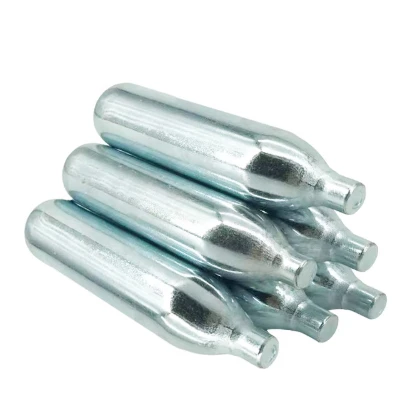
Food & Beverage Grade CO2 Gas

Food & Beverage grade CO2 gas is high-purity carbon dioxide specifically processed and certified for use in food and drink applications. Unlike industrial CO2, which may contain
impurities not suitable for consumption, this grade meets strict international standards such as E290 in the EU or USP/ISBT guidelines in the United States. It is colorless, odorless, and tasteless, ensuring it does not alter the quality of products while still delivering its intended effects. The importance of this type of CO2 lies in its widespread use in carbonated beverages like soft drinks, sparkling water, and beer. It not only provides the refreshing bubbles but also enhances mouthfeel and flavor perception. In food processing, CO2 is also used for packaging under modified atmosphere conditions, helping extend the shelf life of perishable items by reducing oxygen exposure and slowing microbial growth. Additionally, it can be used for freezing, chilling, and transporting food products in dry ice form. By ensuring purity and safety, Food & Beverage grade CO2 supports both product quality and consumer health. Without it, the consistency, safety, and taste of many popular foods and drinks would be compromised.

How Is Food & Beverage Grade CO2 Gas Produced And Purified? 


Food & Beverage grade CO2 is usually obtained as a byproduct from industrial processes, such as ammonia or ethanol production. However, before it can be classified as suitable for food and beverage use, it undergoes extensive purification steps. First, raw CO2 is captured and compressed. It then passes through multiple filtration and purification stages, including absorption, adsorption, and catalytic conversion, to remove impurities such as hydrocarbons, sulfur compounds, and moisture. The gas is then liquefied and distilled to ensure a very high purity level, typically above 99.9%. Final polishing stages may include activated carbon filters and molecular sieves. Each batch of Food & Beverage grade CO2 is tested against strict regulatory standards to confirm it is free from harmful contaminants. This level of quality control ensures that the gas does not introduce off-flavors, odors, or health risks when used in food and drinks. Purified CO2 is then stored and transported in dedicated tanks and cylinders designed to maintain purity. In summary, the production of Food & Beverage grade CO2 involves both capturing and refining the gas, with a strong focus on safety, cleanliness, and compliance with food industry regulations.


What Are The Main Applications Of Food & Beverage Grade CO2 Gas? 


Food & Beverage grade CO2 has a wide range of applications across the industry. The most recognizable use is in beverage carbonation, where it creates the fizz in soda, sparkling water, beer, and champagne. Beyond just bubbles, carbonation also enhances sensory experience, providing a crisp, refreshing taste. In breweries, CO2 is used not only for carbonation but also for purging tanks and kegs, preventing oxygen exposure that could spoil the flavor. In food processing, CO2 plays a vital role in modified atmosphere packaging (MAP), where it helps extend the shelf life of fresh produce, meat, seafood, and bakery products by slowing microbial growth. Additionally, CO2 is used for chilling and freezing applications, either as a liquid or in solid form as dry ice. This makes it indispensable for cold chain logistics, ensuring perishable goods maintain their freshness during storage and transportation. It is also applied in controlled pH adjustment for water treatment in beverage production. Overall, Food & Beverage grade CO2 is a versatile tool that not only ensures product quality and safety but also supports efficiency and sustainability throughout the food supply chain.


What Safety Measures Should Be Taken When Handling Food & Beverage Grade CO2 Gas? 


Although Food & Beverage grade CO2 is safe for consumption in controlled amounts, it must be handled with care due to its physical properties. CO2 is a colorless and odorless gas that can displace oxygen in confined spaces, posing asphyxiation risks if leaks occur. Therefore, proper ventilation in storage and processing areas is essential. Workers should use gas detectors and alarms to monitor CO2 concentrations and follow occupational safety guidelines. Cylinders and tanks must be stored upright in cool, dry areas away from direct heat sources. Pressure-relief devices and secure fittings are required to prevent over-pressurization. When used in liquid or dry ice form, protective gloves and goggles should be worn to avoid frostbite or cold burns. Training staff on safe handling, leak response, and emergency protocols is crucial. Additionally, only certified equipment designed for food-grade CO2 should be used to avoid contamination. Transport of CO2 also requires compliance with international safety regulations, including proper labeling and secure containment. In summary, with appropriate handling, monitoring, and training, Food & Beverage grade CO2 can be safely managed while delivering essential benefits to the food and beverage industry.

phone email whatsapp up icon

If you are interested in our products, you can choose to leave your information here, and we will be in touch with you shortly.
