
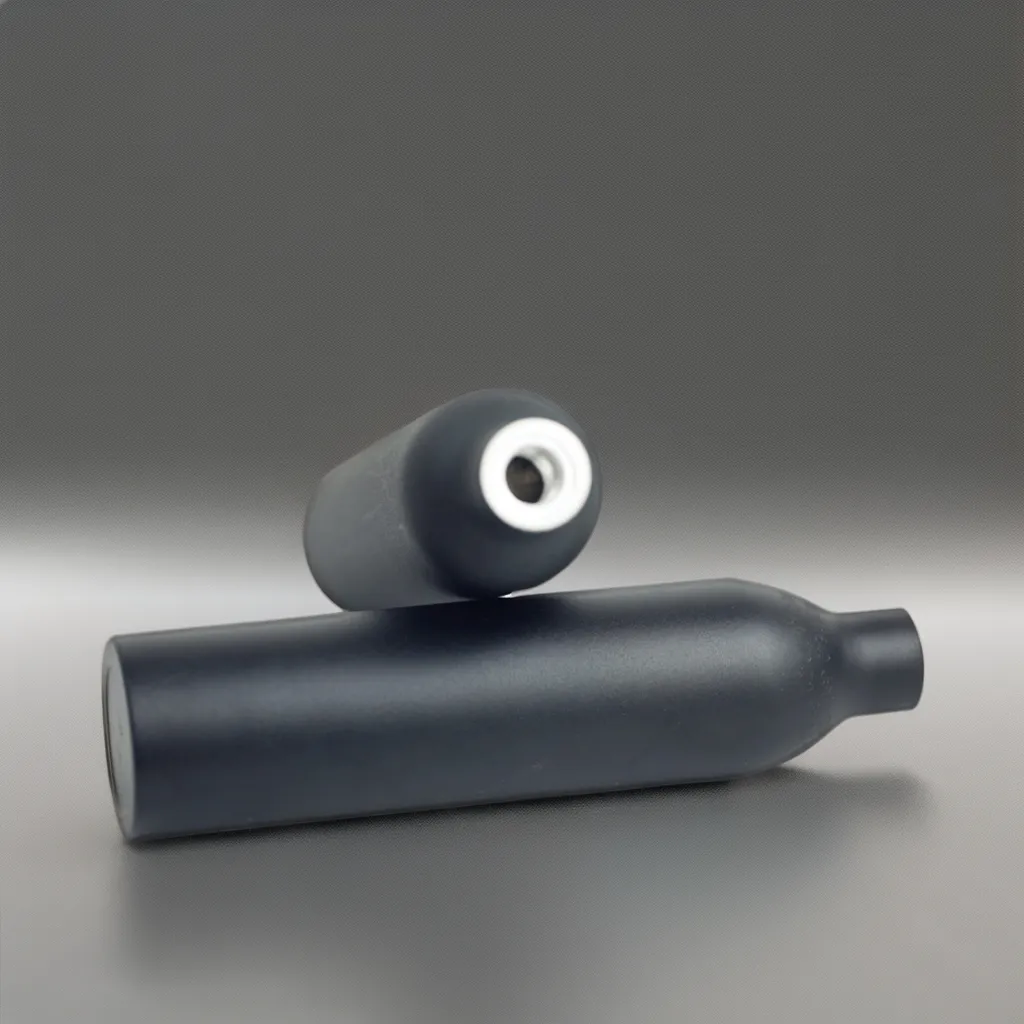
Diving Oxygen Cylinder
Product Introduction
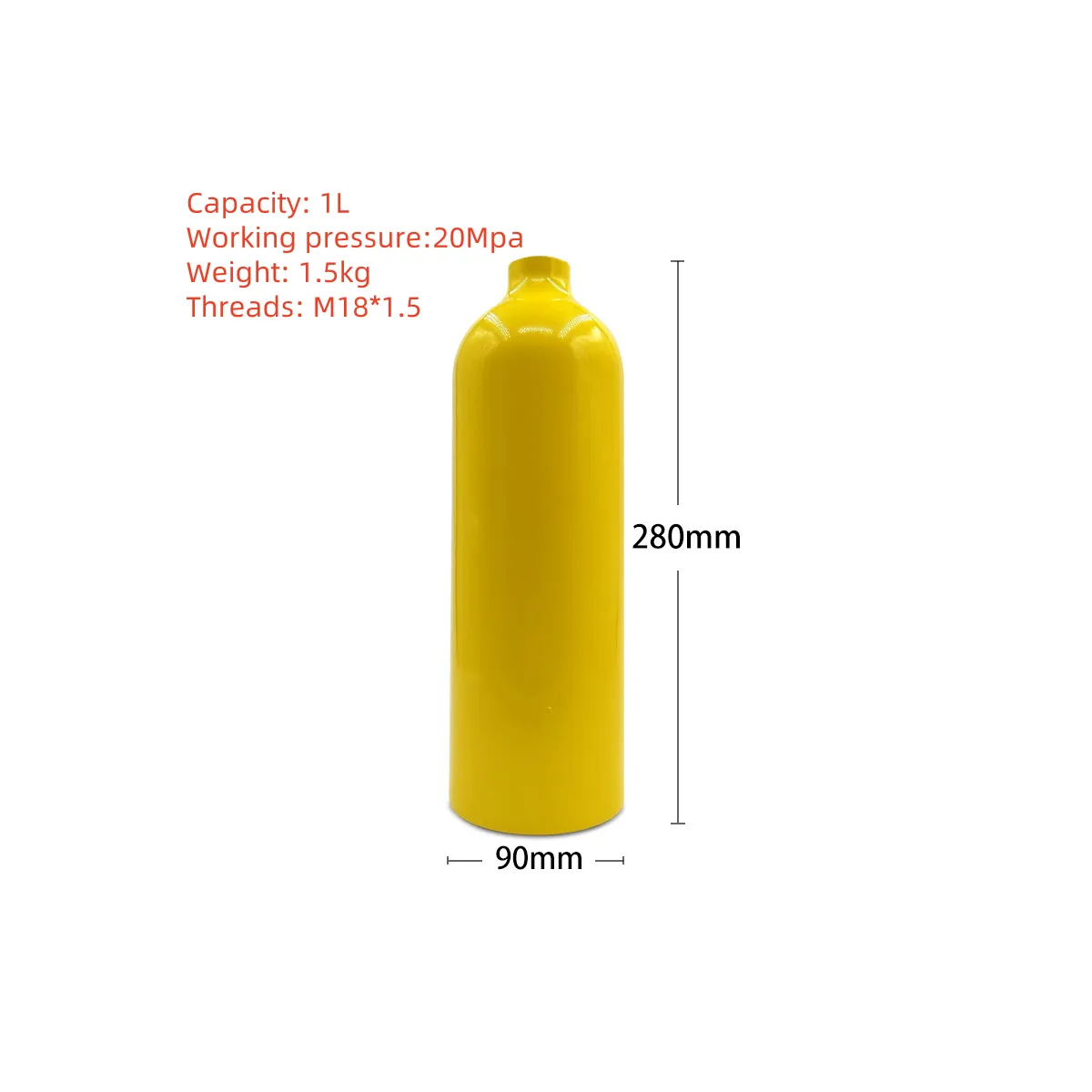
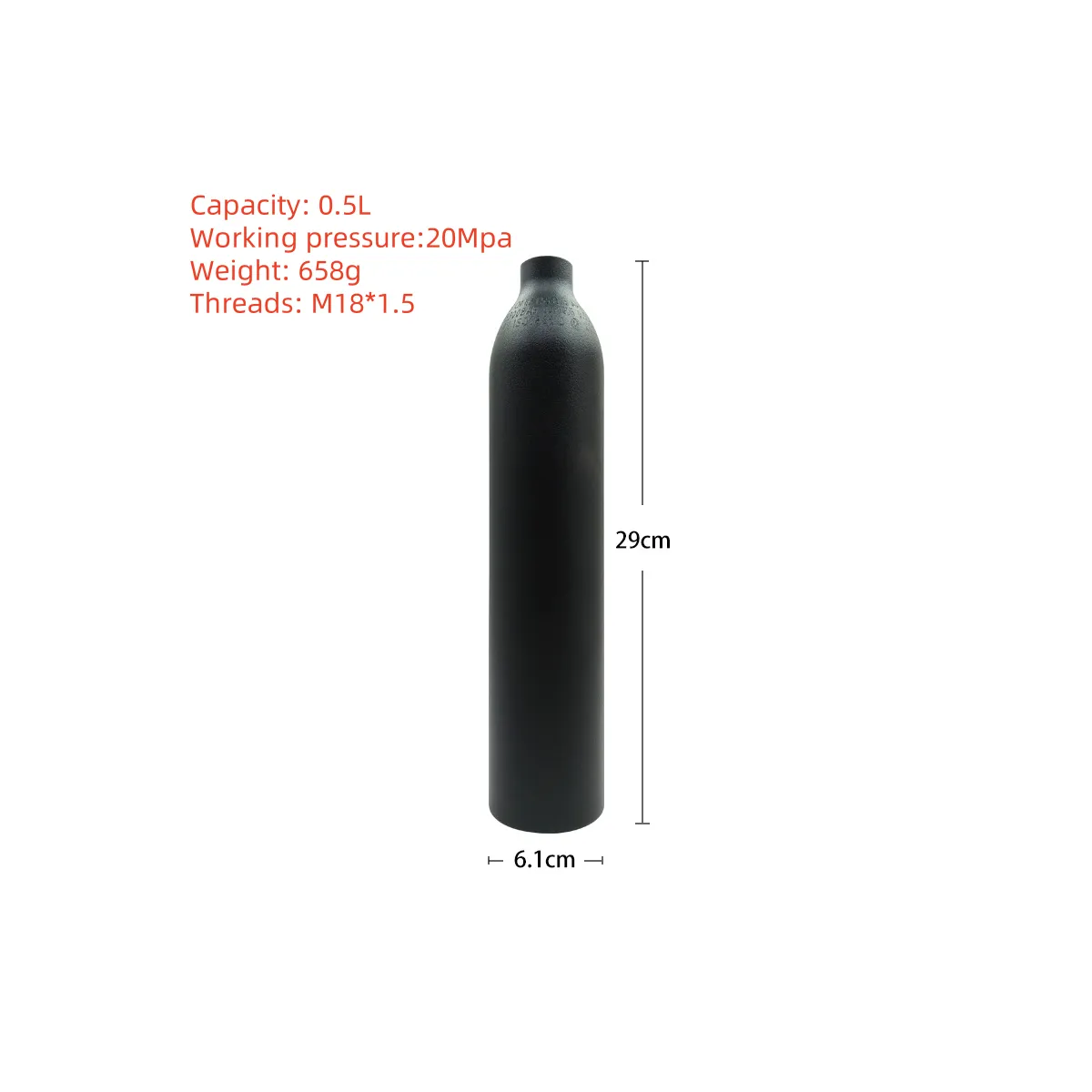
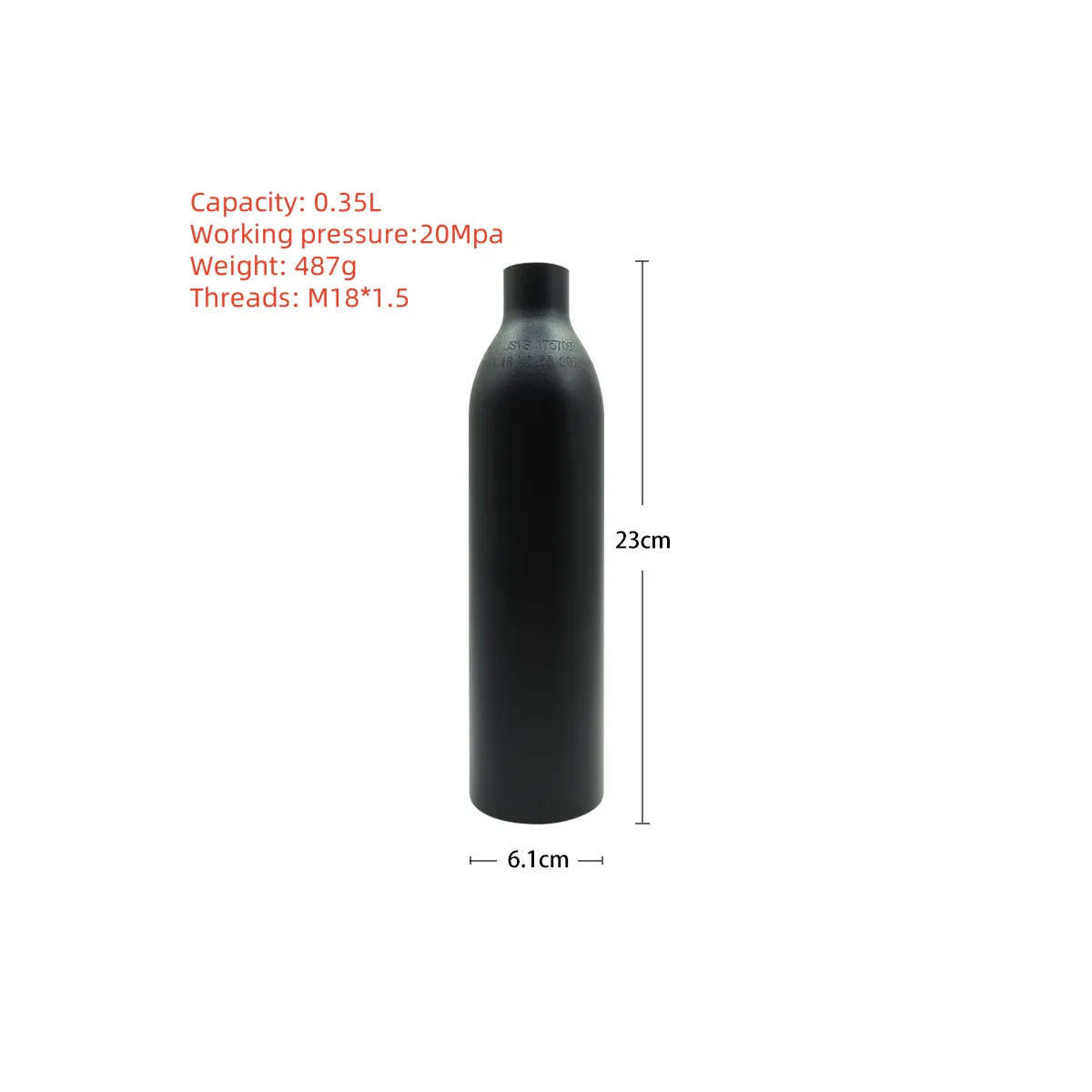
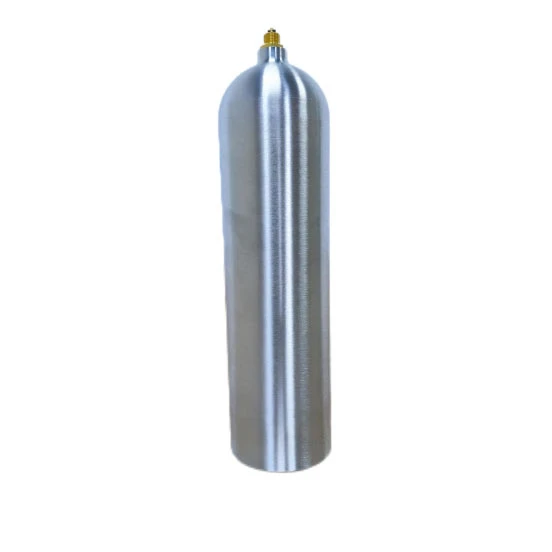
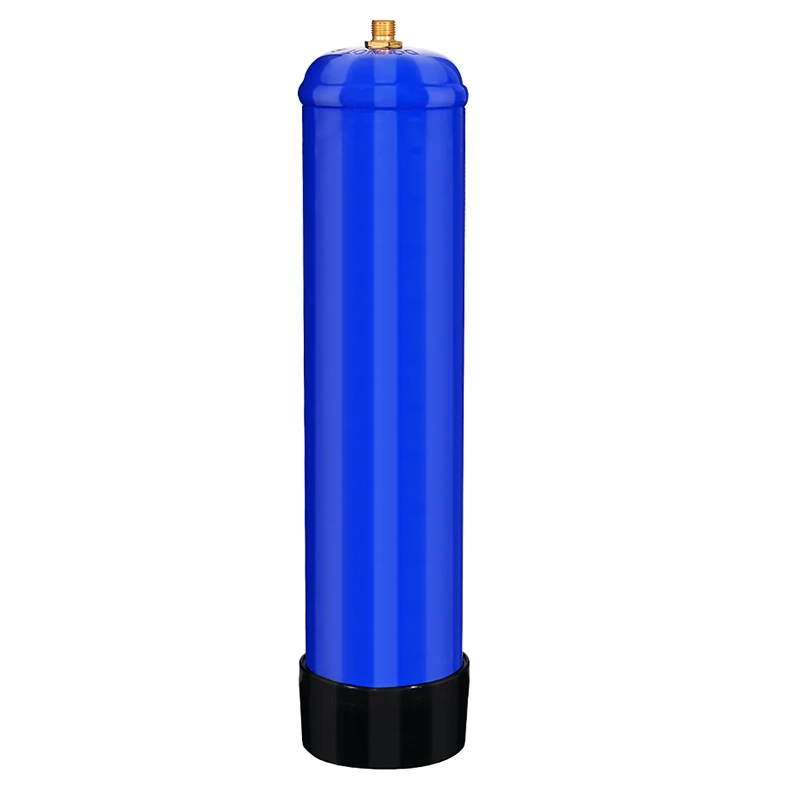
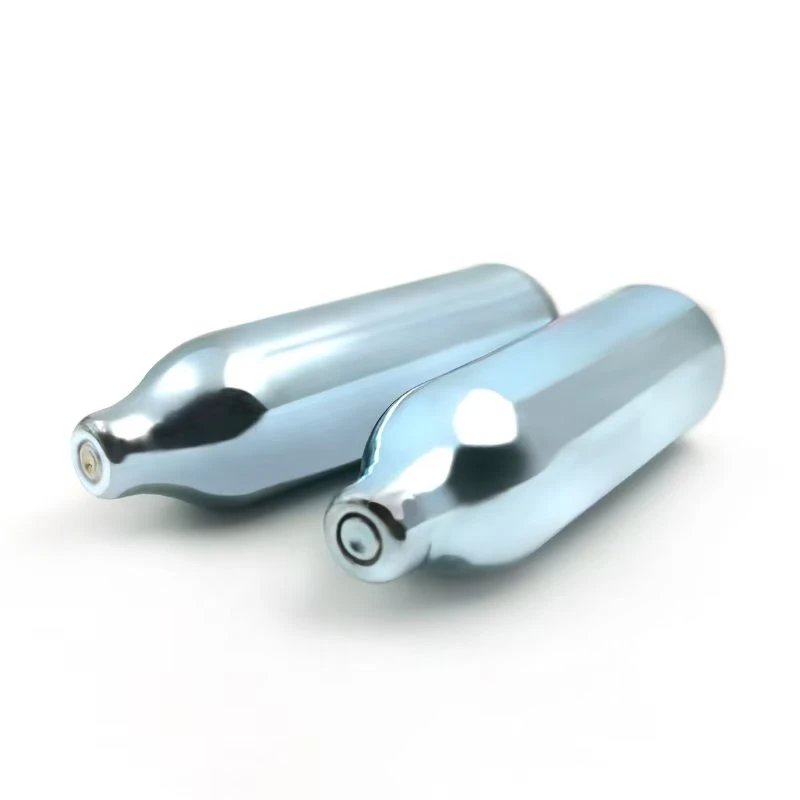
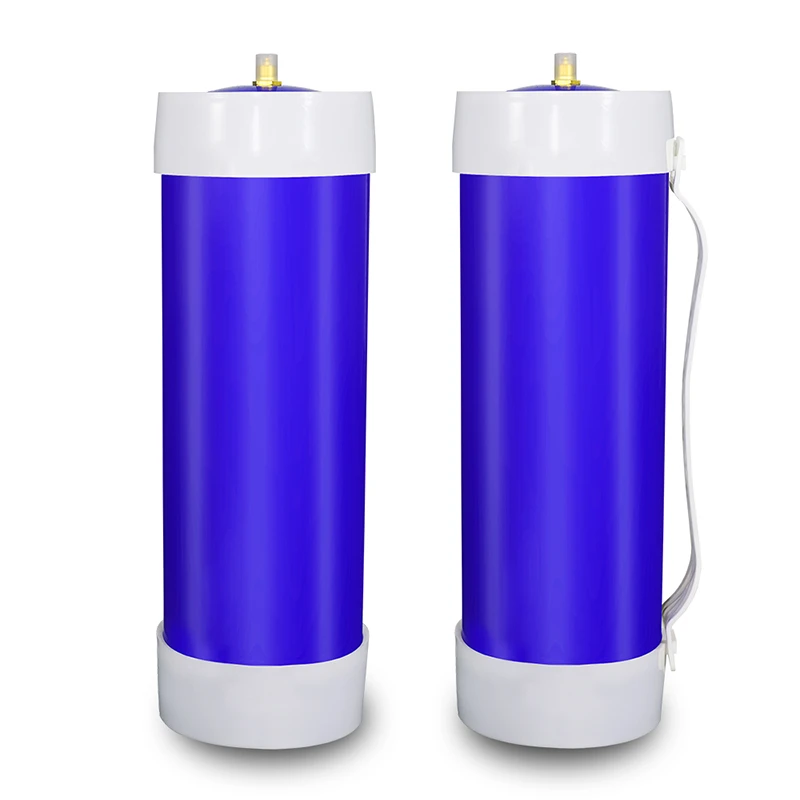
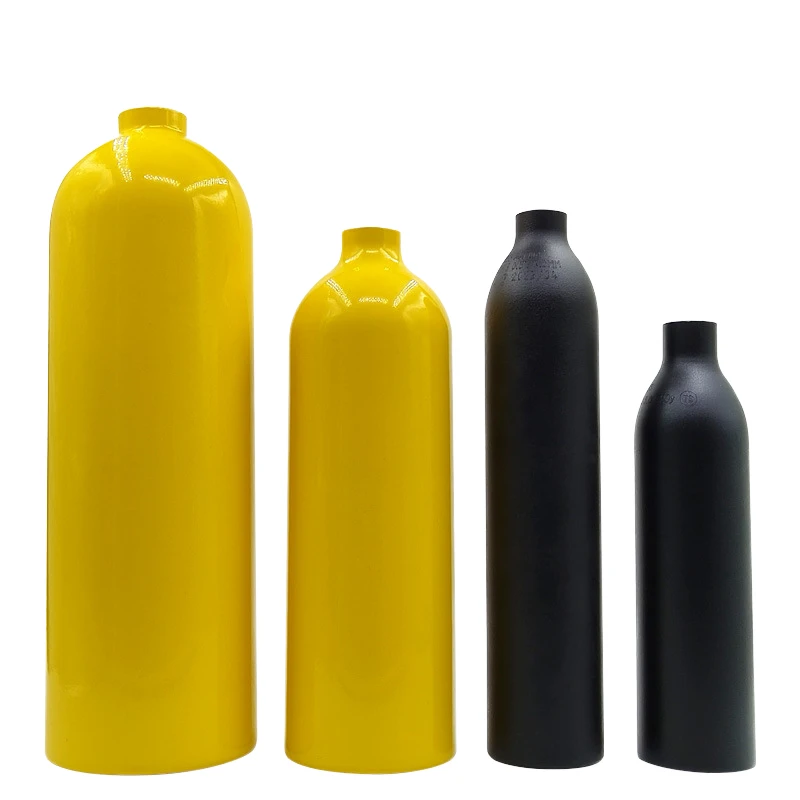
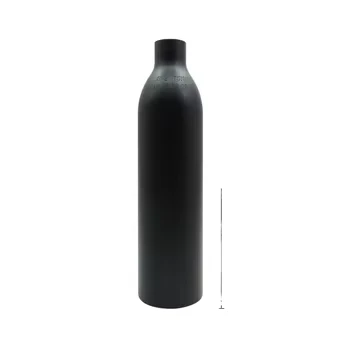
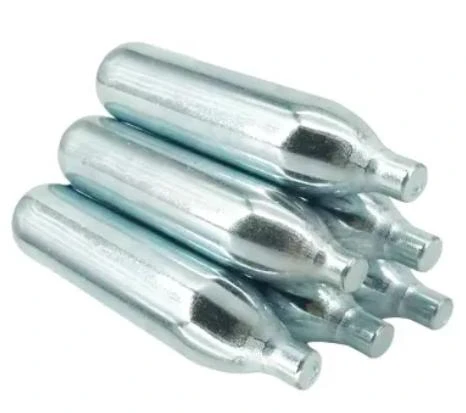
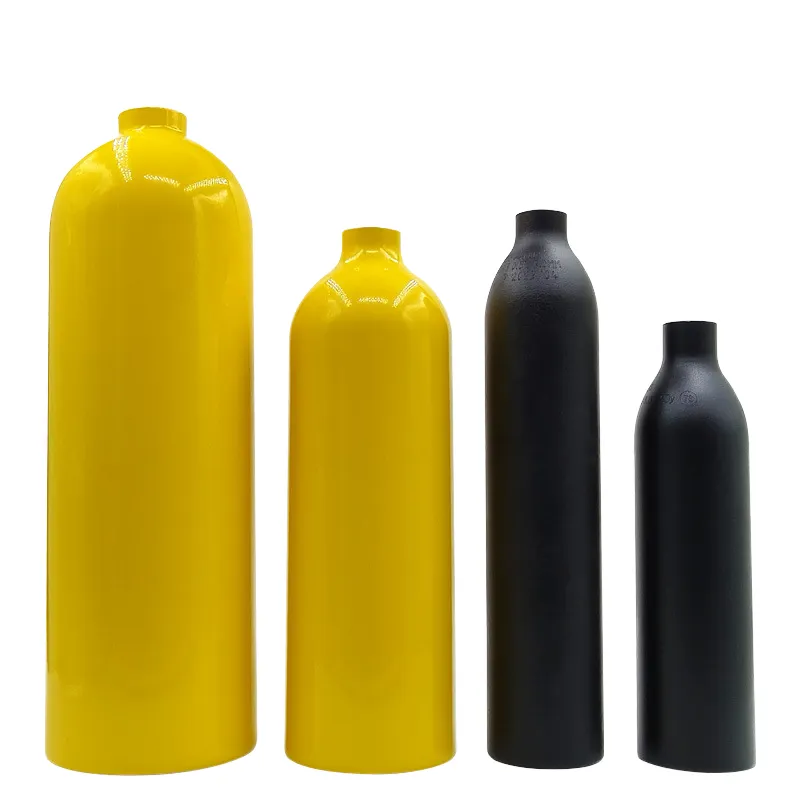
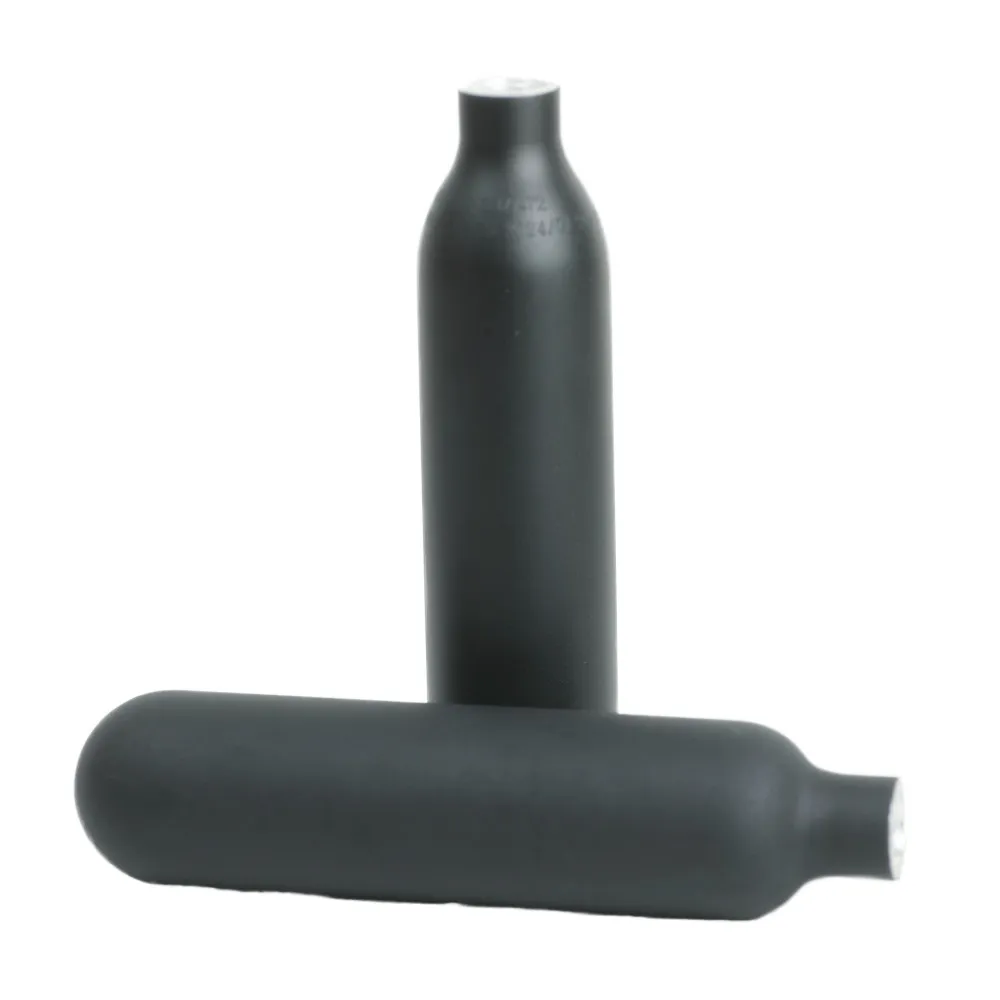
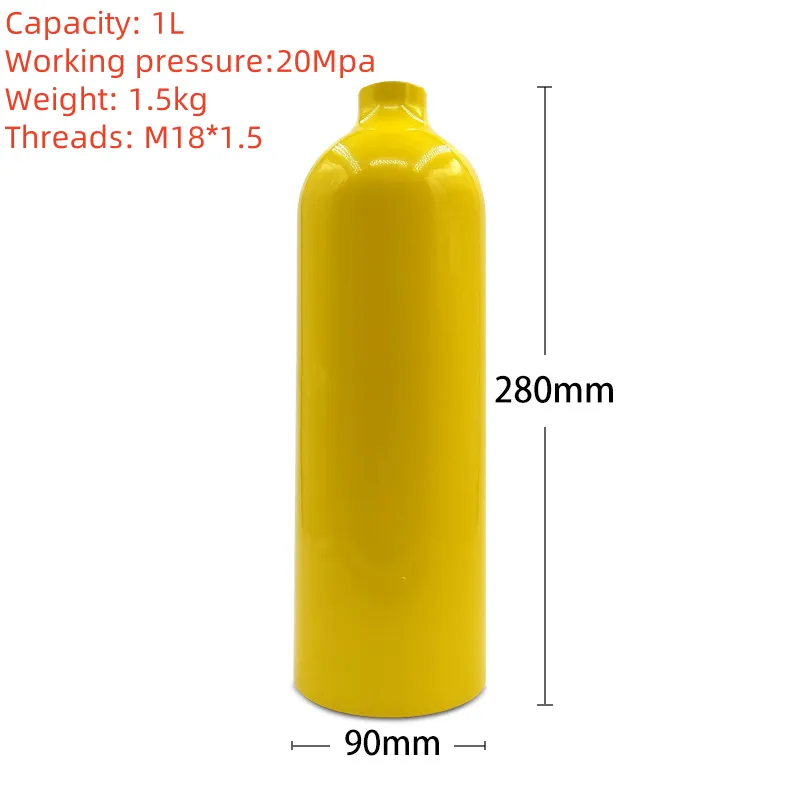
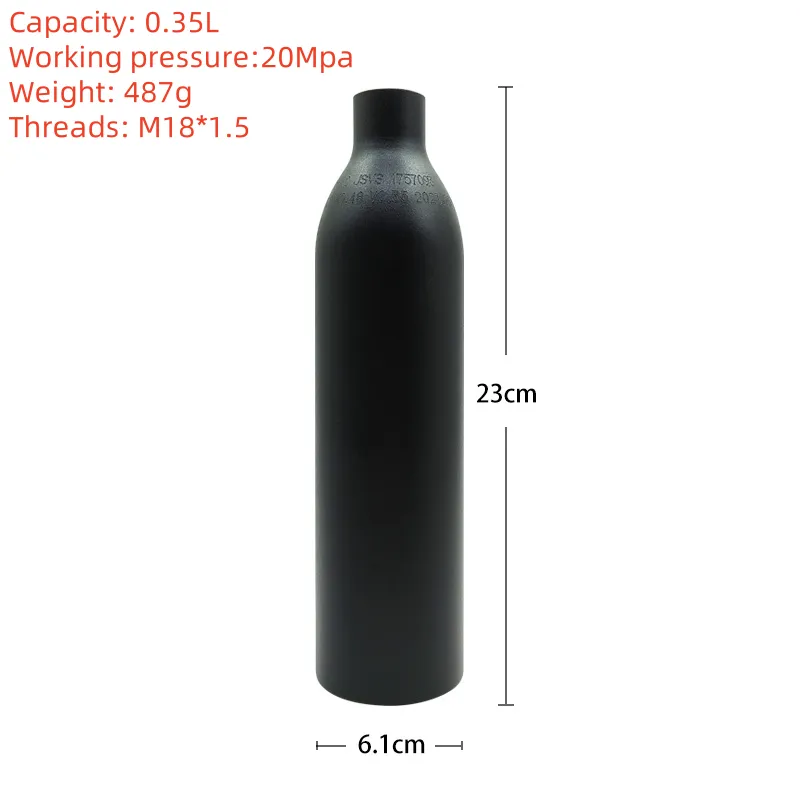
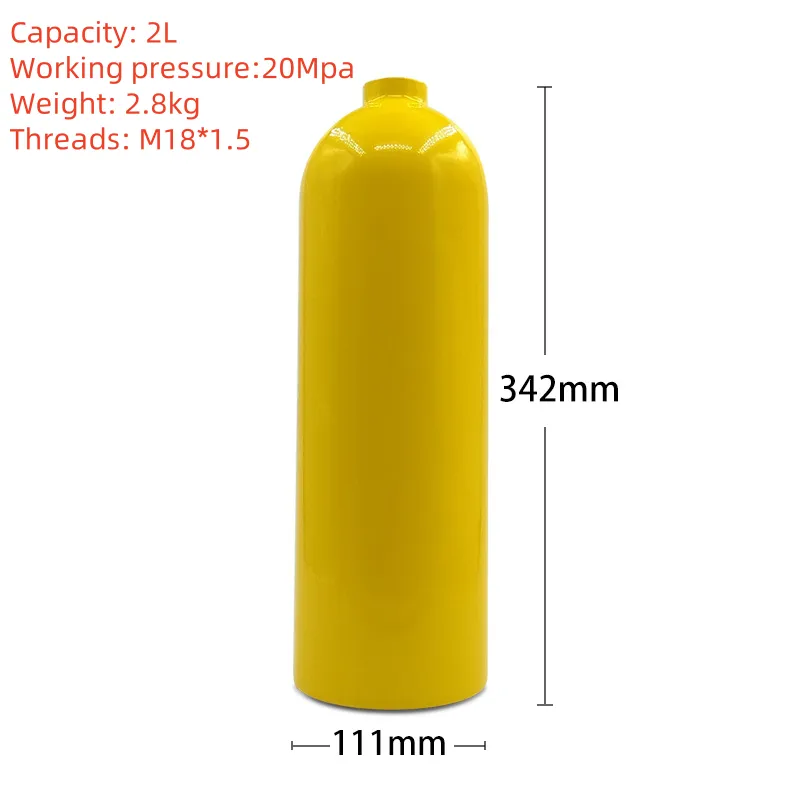
Diving oxygen cylinder, 20mpa high-pressure aluminum alloy gas cylinder,0.35L 0.5L 1L 2L outdoor diving small gas cylinder. The oxygen cylinder is mainly used in conjunction with various types of respirators and self rescue devices. After prolonged use, the overall sealing performance of the oxygen cylinder may decrease. In order to ensure the personal safety of users in Shandong, Shenhua gas cylinder should be maintained in a timely manner. Supply oxygen cylinders with capacities of 0.35L, 0.5L, 1L, 2L.
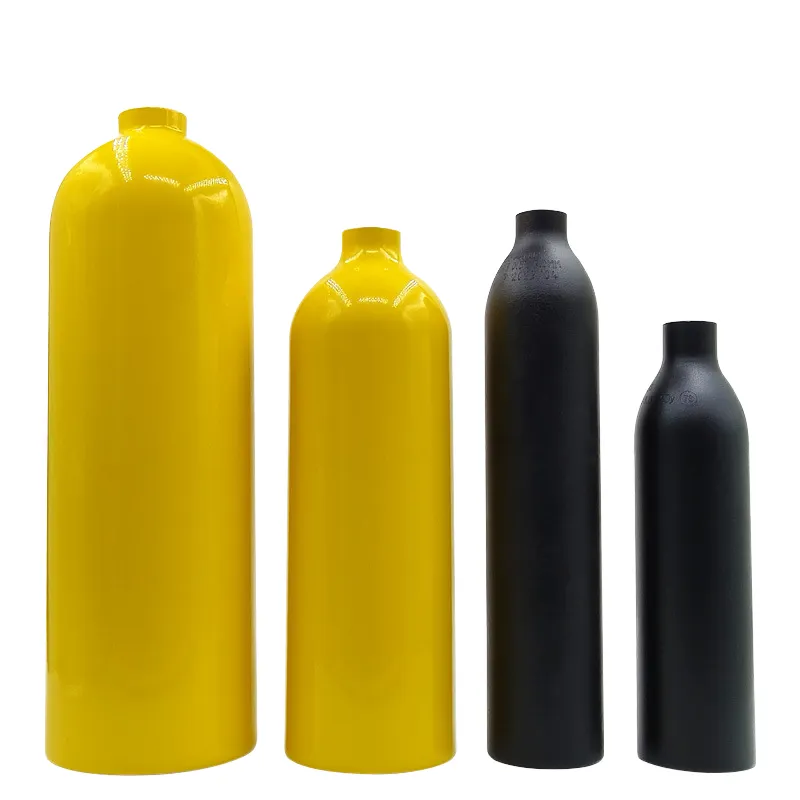
Oxygen cylinder specifications and applicable models
0.35L 40 minute compressed oxygen self rescue device
0.5L 50 minute compressed oxygen self rescue device
1L two-hour oxygen respirator
2L 4-hour oxygen respirator
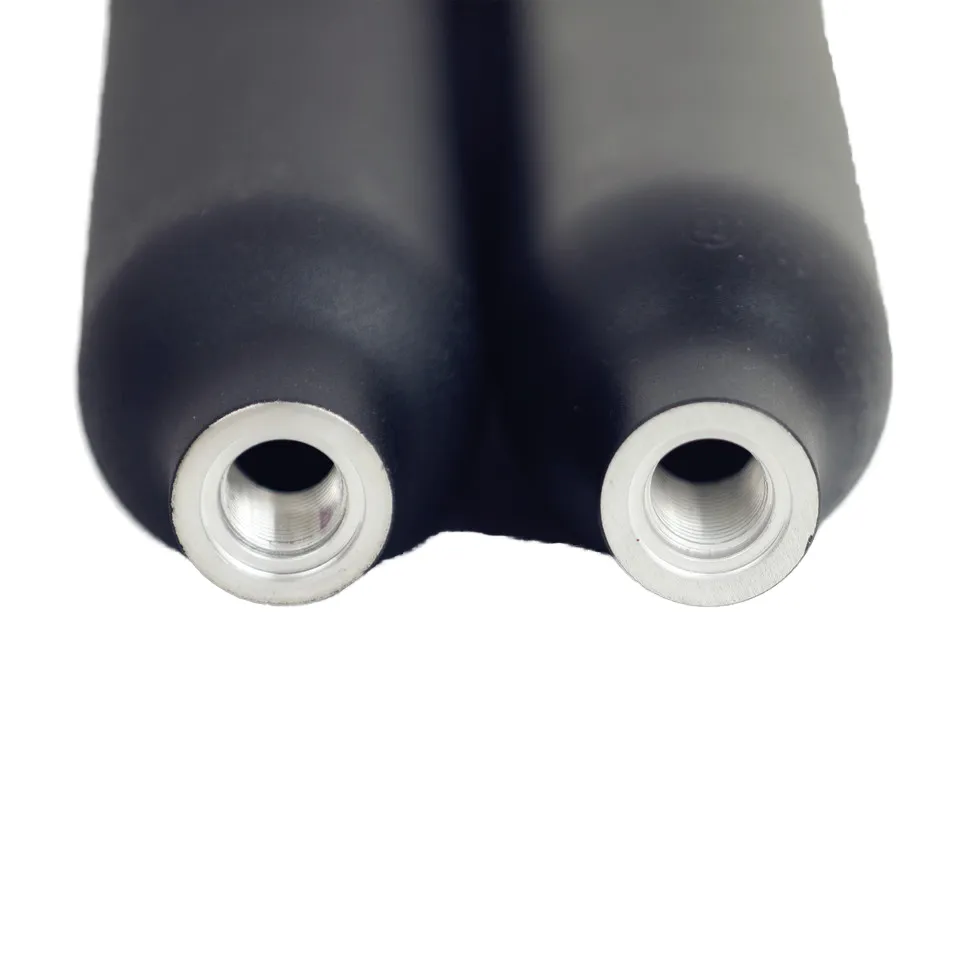
oxygen respirator is filled with various gases in a steel cylinder, and there is a cylinder valve on the nozzle that controls the inflow and outflow of gases. Wear a hat on this cylinder valve to ensure that it is not mechanically damaged and safe. It is an important accessory of the gas cylinder and is called a safety helmet. The properties of oxygen determine its use. Oxygen can supply biological respiration, pure oxygen is used as medical emergency supplies, oxygen can also support combustion, and is used for gas welding, gas cutting, rocket propulsion, etc. These uses generally utilize the property of oxygen reacting with other substances to release heat.
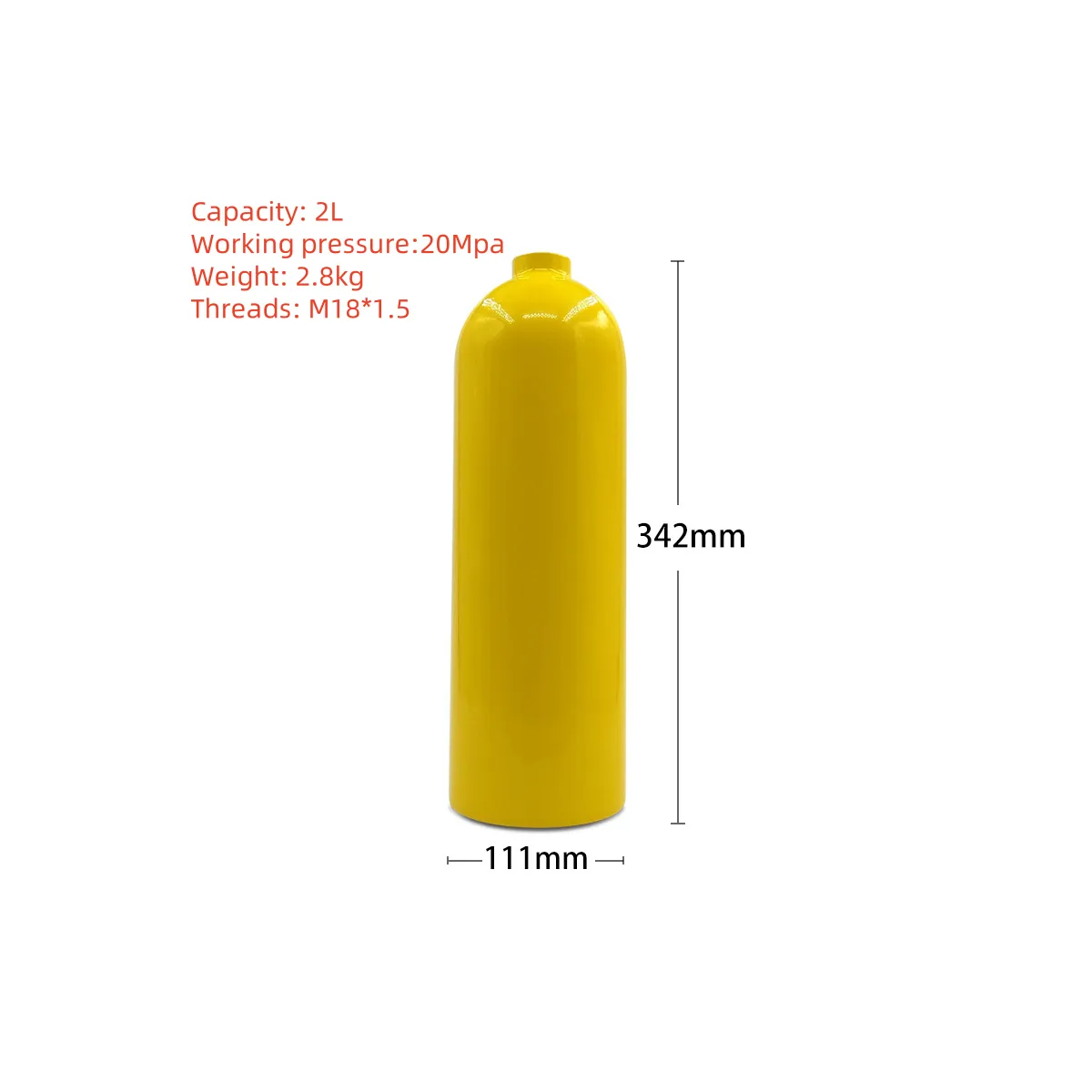
Applications
Oxygen is divided into industrial oxygen and medical oxygen. Industrial oxygen is mainly used for metal cutting, while medical oxygen is mainly used for adjuvant therapy. The following mainly introduces medical oxygen. Oxygen cylinders are used as adjunctive therapy for respiratory diseases (such as asthma, bronchitis, pulmonary heart disease, etc.) and cardiovascular and cerebrovascular diseases (such as coronary heart disease, myocardial infarction, cerebral hemorrhage, cerebral infarction) caused by hypoxia, in order to alleviate their symptoms of hypoxia;
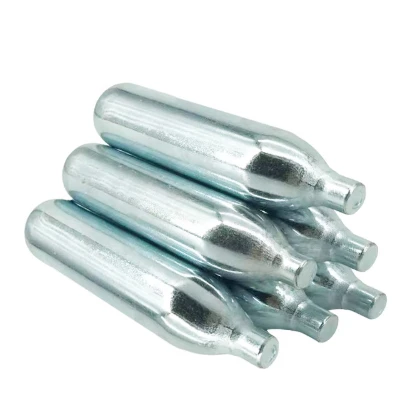
What Is A Diving Oxygen Cylinder?
A diving oxygen cylinder is a high-pressure container specifically designed to store and supply oxygen or breathing gas mixtures for underwater activities. Unlike standard gas cylinders, diving cylinders must meet strict safety and performance standards to ensure divers have a reliable and consistent supply of breathable air while underwater. Typically constructed from durable materials such as aluminum or steel, these cylinders are engineered to withstand high internal pressures, ranging from 200 to 300 bar, without risk of rupture or leakage. Diving oxygen cylinders come in different sizes and capacities to match the needs of recreational divers, professional divers, or rescue operations. They are often used in scuba diving, underwater exploration, marine research, and even in emergency rescue situations where supplemental oxygen is required. When paired with a regulator system, the cylinder delivers oxygen at a controlled flow rate, allowing divers to breathe comfortably at varying depths. The choice of size depends on dive duration, depth, and the type of gas mixture being used. In short, a diving oxygen cylinder is an essential life-support device for underwater activities, providing safety, efficiency, and reliability in environments where access to breathable air is limited.
What Are The Applications Of A Diving Oxygen Cylinder?
A diving oxygen cylinder has broad applications in underwater and related industries. In recreational scuba diving, it provides divers with a continuous supply of breathable air, enabling safe exploration of underwater ecosystems. Professional divers use oxygen cylinders for marine construction, underwater welding, salvage operations, and ship maintenance, where extended underwater activity is required. Marine biologists and researchers rely on them for conducting scientific studies, documenting marine species, and collecting underwater samples. Diving oxygen cylinders are also vital in underwater photography and videography, supporting extended shooting sessions in challenging environments. Beyond recreation and research, oxygen cylinders play a critical role in rescue and emergency operations. Search and rescue teams utilize them to assist in saving trapped individuals or during underwater recovery missions. In medical emergencies, portable diving oxygen cylinders may also serve as backup oxygen sources for first aid in marine or offshore settings. Additionally, training institutions and diving schools use them to teach scuba techniques and safety procedures. These versatile applications make diving oxygen cylinders indispensable for both professional and leisure purposes, combining life-support functionality with adaptability to various underwater conditions.
How Safe And Reliable Is A Diving Oxygen Cylinder?
Safety and reliability are the top priorities in the design and use of diving oxygen cylinders. Each cylinder is manufactured from high-strength materials such as steel or aluminum, tested rigorously to withstand extreme underwater pressures. Cylinders must pass international safety certifications, ensuring they can safely store and deliver compressed oxygen or air mixtures without contamination or leakage. Regular inspections, hydrostatic testing, and maintenance are essential for ensuring long-term reliability and preventing equipment failure during dives. Proper handling is also crucial—cylinders should always be stored upright, kept away from heat sources, and filled only by certified professionals using high-purity gases. For divers, the use of a well-maintained regulator system ensures oxygen is delivered at the correct flow rate to match depth and breathing requirements. From an environmental perspective, modern diving cylinders are designed for reusability and long service life, making them both cost-effective and sustainable. When used responsibly, a diving oxygen cylinder provides a dependable life-support system that ensures safety in underwater environments. In conclusion, the diving oxygen cylinder is a carefully engineered, safety-tested piece of equipment that gives divers confidence and protection during every underwater mission.