
gas cylinder factory
Diving Oxygen Tank
Hello, come to consult our products !
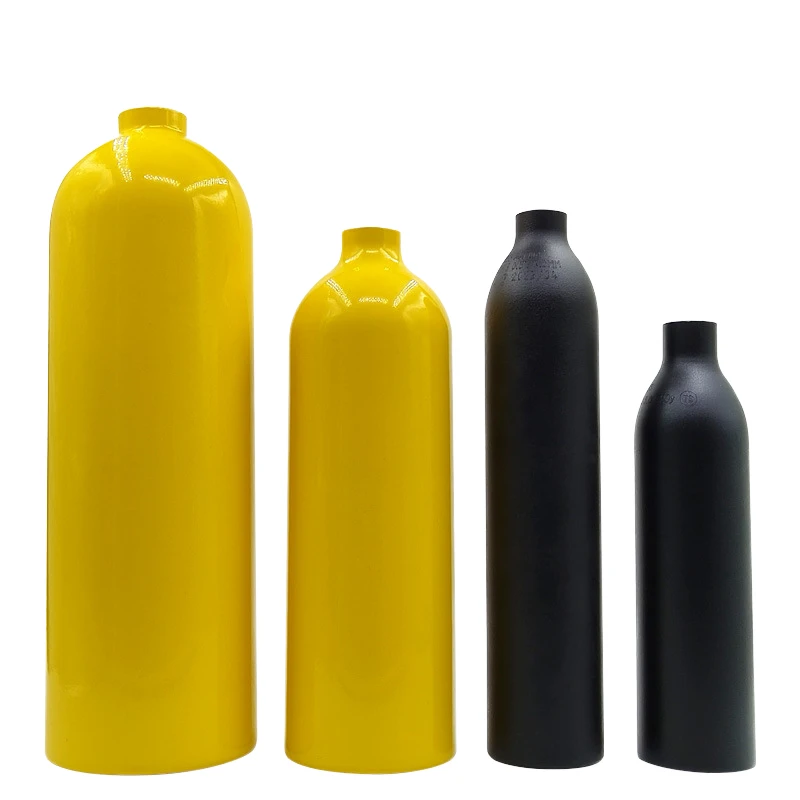
Diving Oxygen Tank

A diving oxygen tank, often referred to as a scuba tank, is a high-pressure cylinder that stores breathing gas for underwater use. While many people casually call it an “oxygen tank,”most diving cylinders are actually filled with compressed air or enriched air mixtures, not pure oxygen. Pure oxygen is generally reserved for technical diving or medical purposes, since high concentrations can be toxic under pressure. The tank itself is made of durable materials such as aluminum or steel and is designed to withstand pressures up to 200–300 bar (around 3,000–4,500 psi). A regulator is attached to the tank, reducing the high internal pressure to a breathable level for the diver. This system allows divers to breathe comfortably underwater while exploring marine environments. Oxygen tanks are a crucial part of scuba diving because they provide independence from surface-supplied air, enabling longer and deeper dives. The size of the tank, combined with the diver’s breathing rate and depth, determines how long the gas supply will last. Safety standards require that tanks be inspected regularly to ensure structural integrity, as any weakness in the cylinder wall could pose risks. In summary, a diving oxygen tank is not only a life-support system but also the gateway to underwater exploration. It works by storing compressed gas and delivering it through a regulator to meet the diver’s respiratory needs at depth.

Are Diving Oxygen Tanks Filled With Pure Oxygen? 


Contrary to popular belief, most diving oxygen tanks are not filled with pure oxygen. Instead, they are typically filled with compressed air, which is about 21% oxygen and 79% nitrogen, or with specialized gas mixtures depending on the dive profile. Pure oxygen can be hazardous at depth due to a condition known as oxygen toxicity, which can cause seizures or other serious health risks. For recreational diving, compressed air is the most common and widely available choice. Some divers use enriched air nitrox, which has a higher oxygen concentration (usually 32–36%) but still includes a significant proportion of nitrogen. This mixture allows for longer bottom times at moderate depths by reducing nitrogen absorption. Technical divers may use different mixtures, such as trimix or heliox, to reach greater depths safely. Pure oxygen is usually reserved for shallow decompression stops or for emergency first aid after diving accidents. Filling stations follow strict safety protocols to ensure tanks are filled with the correct gas mixture and labeled clearly to avoid confusion. Therefore, while the term “oxygen tank” is commonly used, a diver’s cylinder usually contains compressed air or a carefully blended gas, not 100% oxygen. Understanding this distinction is vital for safe diving practices and avoiding potentially dangerous misconceptions.


How Long Does A Diving Oxygen Tank Last Underwater?


The duration of a diving oxygen tank depends on several factors, including the tank size, the gas mixture inside, the diver’s breathing rate, and the depth of the dive. A standard scuba tank, often 12 liters in volume and filled to 200 bar, contains about 2,400 liters of compressed air. At the surface, this amount of air could last a relaxed diver several hours. However, underwater, the pressure increases with depth, and so does the rate at which a diver consumes air. For example, at 10 meters (33 feet), the pressure is double that at the surface, meaning each breath uses twice as much gas. A typical diver at moderate depth might expect 45–60 minutes of air from a standard tank, but heavy exertion or deeper dives can reduce that time significantly. Experienced divers learn to manage their breathing and monitor their air supply carefully using a submersible pressure gauge. Safety protocols recommend planning dives so that a portion of the air remains as a reserve in case of emergencies. For technical or extended dives, divers often carry multiple tanks or use larger cylinders. In summary, while tank duration varies widely, an average recreational dive with standard equipment usually lasts less than an hour, making careful planning and monitoring essential for safe underwater experiences.


What Safety Measures Should Be Taken When Using A Diving Oxygen Tank?


Safety is a critical aspect of using a diving oxygen tank, since it serves as a diver’s life-support system. The first measure is ensuring the tank is regularly inspected and maintained. Diving cylinders must undergo periodic hydrostatic testing and visual inspections to check for cracks, corrosion, or pressure-related weaknesses. Filling tanks should only be done at certified facilities that use clean, dry, and filtered air to prevent contamination. Divers should always verify the type of gas mixture in the cylinder and check the pressure before each dive. Proper training is essential, as divers must understand how regulators, gauges, and buoyancy control devices work in conjunction with the tank. During a dive, it is important to monitor air supply constantly and follow the rule of thirds—using one-third of the air for descent, one-third for the return, and reserving one-third for emergencies. Tanks should also be stored in a cool, dry place away from direct sunlight or sources of heat to avoid pressure build-up. Another important rule is never to “hot fill” a tank too quickly, as this can damage the cylinder. Finally, divers must never attempt to use pure oxygen at depth unless trained for specialized applications, as it can cause oxygen toxicity. By following these safety measures, divers can enjoy the benefits of oxygen tanks with minimal risk.

phone email whatsapp up icon

If you are interested in our products, you can choose to leave your information here, and we will be in touch with you shortly.
